


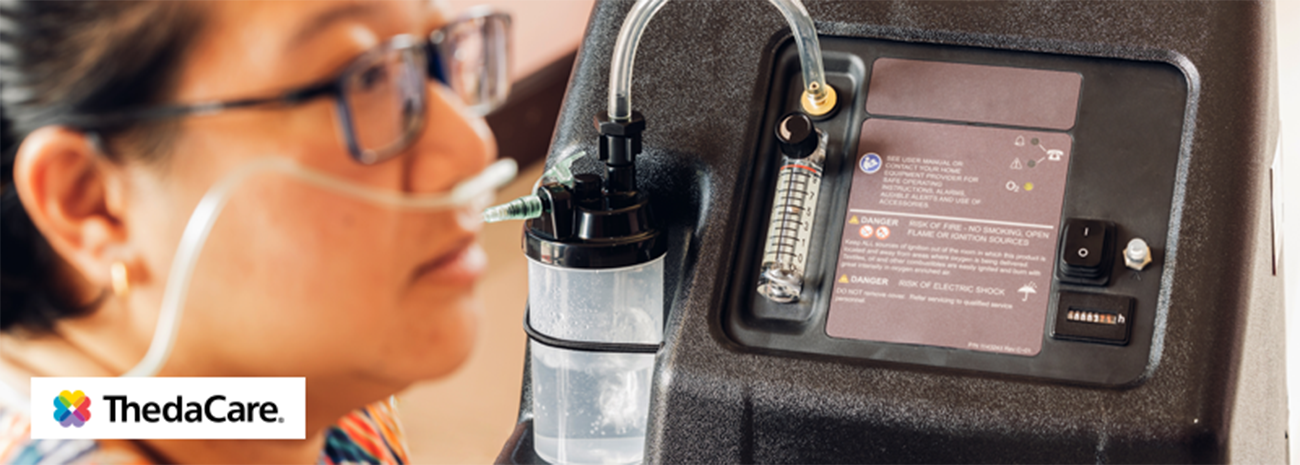
Starting home oxygen therapy can bring up a lot of questions—especially if it’s new to you or someone you care for. There’s equipment to learn, routines to adjust, and safety details to keep in mind.
This guide covers the basics of using oxygen at home and answers the questions new users and caregivers ask most often. From why oxygen therapy is prescribed to what Day 1 usually looks like, the goal is to help you feel more prepared and less uncertain as you get started.
Why Home Oxygen Therapy Is Prescribed
Home oxygen therapy is prescribed when the body is not getting enough oxygen on its own. Your healthcare provider determines this through testing and uses that information to decide whether supplemental oxygen can help support your health.
Oxygen therapy is commonly prescribed for people living with conditions such as:
- Chronic obstructive pulmonary disease (COPD)
- Pulmonary fibrosis or other interstitial lung diseases
- Congestive heart failure
- Severe asthma or emphysema
- Recovery after pneumonia, COVID‑19, or another serious respiratory illness
In some cases, oxygen therapy is short‑term, used while the body recovers. In other cases, it’s part of long‑term management for a chronic condition. Being prescribed oxygen does not automatically mean your condition is worsening; it means your care team is working to ensure your organs and muscles are getting the oxygen they need to function well.
Related: Guide to Getting Started with Oxygen
Getting to Know Your Oxygen Equipment
Before talking about setup and Day 1 expectations, it helps to be familiar with the types of equipment you may see in your home.
A typical home oxygen setup can include:
- Oxygen concentrator: A stationary device that pulls oxygen from room air and delivers it through tubing. Many people use this as their primary oxygen source at home.
- Portable oxygen equipment or cylinders: Designed for leaving the house, running errands, or having backup oxygen available.
- Nasal cannula: A lightweight tube with small prongs that rest just inside the nostrils. This is the most common way oxygen is delivered.
- Oxygen mask: Used in some situations when higher oxygen delivery is needed.
- Tubing, connectors, and swivel adapters: These connect everything together and allow you to move around safely.
- Humidifier bottle: Attached to some systems to add moisture and reduce nasal dryness.
ThedaCare At Home offers a range of respiratory and oxygen therapy supplies, including concentrators, portable options, cannulas and tubing, humidifiers, and accessories, so replacement supplies are easy to access when you need them.
Shop Respiratory Supplies at ThedaCare
What to Expect on Day 1 of Home Oxygen Therapy
Day 1 is usually focused on setup, education, and making sure you know what to do once you’re on your own.
How your equipment is delivered or set up
Your equipment is typically delivered to your home or set up with you present. You’ll work with the equipment delivery representative to determine where the concentrator or oxygen source should be placed — usually in a well‑ventilated area with space for airflow and safe walking paths for tubing.
You’ll also review where portable equipment or backup oxygen should be stored and how everything fits together.
Initial instructions and training
When the representative delivers your equipment, they will also help you learn to use it. You should receive clear, hands‑on instruction covering:
- How to turn your oxygen equipment on and off
- How to set and confirm your prescribed flow rate
- How to attach tubing and check for kinks or blockages
- How to put on and adjust a nasal cannula or mask comfortably
- How to use and maintain a humidifier bottle, if included
You are not expected to memorize everything immediately, but you should end the day with confidence in the basics.
Questions to ask your equipment provider
This time with your provider’s representative is also the best time to get answers to your questions. Before they leave, consider asking things like:
- When exactly should I use my oxygen?
- What should I do if I feel more short of breath?
- How do I know my oxygen is working properly?
- Who do I call if there’s a problem or alarm?
- What is the plan if the power goes out?
It’s okay if you don’t remember a question in the moment. You can always reach out to your equipment provider or a local expert like ThedaCare for follow-up.
A couple of other things to consider on Day 1:
- First-day sensations and adjustments: It's normal for oxygen to feel slightly cool or for your nose to feel dry at first. Pay attention to how you feel, and don't be afraid to speak up if anything is uncomfortable.
- Basic comfort setup: On Day 1, you’ll learn how to position tubing so it doesn’t pull, how much movement your tubing allows, and where to place equipment for daily use and sleep. Take your time to feel out what works for you and don’t rush past these adjustments.
Adjusting to Daily Life With Oxygen
Once the equipment is set up and Day 1 is behind you, most questions shift toward daily routines.
Common early adjustments include managing tubing length, reducing nasal dryness, and figuring out how oxygen fits into activities like sleeping, cooking, or moving around the house. Many people find it helpful to keep extra cannulas or tubing on hand and to create a small routine around checking equipment each day.
If you notice ongoing discomfort, worsening shortness of breath, headaches, confusion, or blue lips or fingernails, it’s important to contact your healthcare provider.
Home Oxygen Safety Basics Everyone Should Know
Because oxygen changes the air around you, it creates a heightened flammability hazard. When using home oxygen therapy, simple safety precautions matter in ways many people don’t expect.
Key safety guidelines include:
- No smoking anywhere near oxygen equipment
- Keeping oxygen away from open flames and heat sources
- Avoiding petroleum‑based products on the face or lips; use water‑based options instead
- Making sure smoke detectors work properly
- Keeping oxygen equipment unplugged or turned off when not in use, as instructed
You may also be advised to notify your local power company that oxygen is used in your home.
Tips for Caregivers Supporting a New Oxygen User
If you’re helping a loved one adjust to home oxygen therapy, your role matters more than you might realize. Early on, support is often less about managing equipment and more about helping someone feel steady and confident as they adapt.
A few ways caregivers can help:
Establish simple routines.
It may seem like a lot to remember right now, but things like equipment checks and preventing kinks in tubing will quickly become second nature. As your loved one adjusts to oxygen therapy, focus on providing gentle consistency rather than constant reminders.
Keep key information visible.
Post the prescribed flow rate, emergency phone numbers, and basic troubleshooting steps near your loved one’s equipment. In the event of an emergency, this can reduce stress for everyone.
Watch for small changes.
Increased shortness of breath, confusion, headaches, or unusual fatigue are signs to contact a healthcare provider. Trust your instincts and don’t hesitate to ask questions.
Support independence where possible.
Many people want to do as much as they can on their own. Allowing space for that, while being nearby if help is needed, often goes a long way.
Take care of yourself, too.
Learning oxygen therapy takes time. It’s okay to feel unsure at first and to ask the care team for clarification more than once.
Caregivers don’t need to have all the answers on Day 1. What matters most is knowing where to turn when questions come up.
Moving Forward With Confidence and Support
Home oxygen therapy is an adjustment, but most people find that it becomes part of their routine sooner than they expect. With the right setup, clear instructions, and ongoing support, oxygen can help people stay more comfortable and active at home.
If questions come up along the way—whether it’s about equipment, comfort, replacement supplies, or safety—ThedaCare At Home is here to help. As a local home medical equipment provider, our team understands what day‑to‑day life with oxygen actually looks like. We’re happy to provide guidance tailored to your situation and replacement oxygen therapy supplies when you need them.
No matter where you’re at on your oxygen therapy journey, clarity, comfort, and success are within reach. All you need to do is take it one step at a time and reach out for knowledgeable, responsive support when you need it.
Contact ThedaCare At Home today
Common Home Oxygen Therapy Questions for New Users
How many hours a day will I need oxygen?
That depends on your prescription. Some people use oxygen only during sleep or activity, while others need it throughout the day.
Can I change my oxygen flow rate if I feel short of breath?
No. Only your healthcare provider should adjust your flow rate.
How do I know my oxygen is working?
You should hear or see the device running, see the flow indicator set correctly, and feel air through your cannula or mask.
What should I do if my nose or lips get dry?
A humidifier bottle and water‑based moisturizers can help. Avoid petroleum‑based products.
Is it safe to cook while using oxygen?
Open flames are a risk. Talk with your provider about safe cooking practices for your setup.
Can I travel with oxygen?
Yes, but it requires planning. Ask your provider what equipment is approved for your travel needs.
June 3, 2026 by ThedaCare At Home