


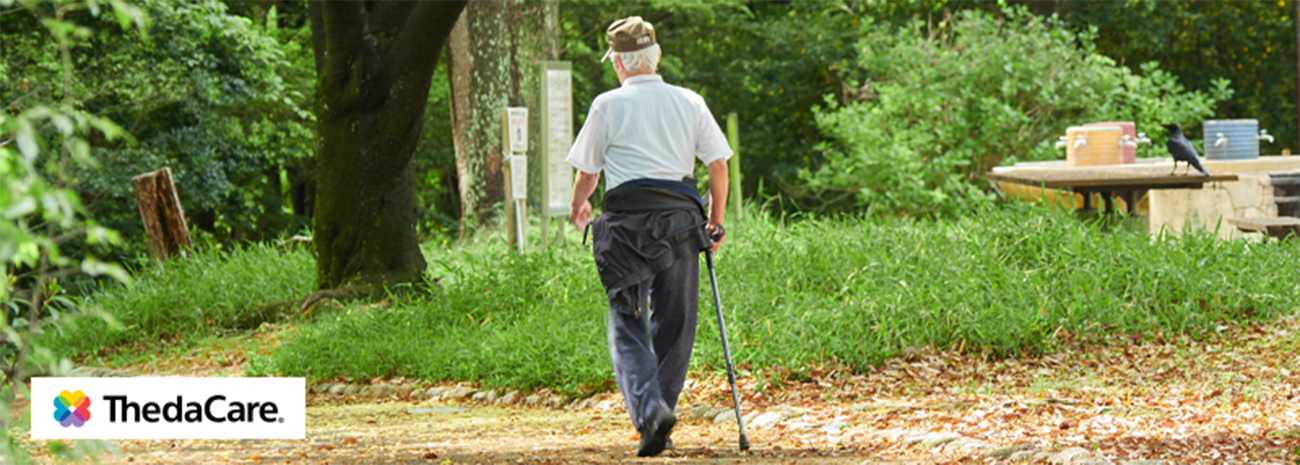
A summer walk can feel manageable when you leave home, then become more tiring when the route is longer than expected or there’s nowhere to sit. Uneven park paths, crowded community events and hot pavement can add challenges, too.
The right mobility aids for outdoor activities can provide added balance, stability or a place to rest. Choosing support that fits you and the outing, checking the route ahead of time and planning around the heat can help you stay involved in the activities you enjoy.
Quick Navigation
Match Your Mobility Aid to the Outing
The support that works for a short walk on a smooth sidewalk may not be the right choice for a long afternoon at an outdoor festival. Think about how far you expect to walk, where you’ll be walking and whether you’ll have access to seating.
Here is a quick overview of how different mobility aids may support an outdoor outing:
|
Mobility aid |
May be useful when | What to consider |
|---|---|---|
| Cane | You need light, one-sided support and can otherwise walk independently. | A cane is compact and portable, but it offers less stability than a walker. |
| Walker | You need support on both sides or greater stability while walking. | Standard and front-wheeled walkers generally work best on firm, level surfaces. |
| Rollator | You benefit from balance support, smoother movement or planned rest breaks. | Safe use requires the ability to control the wheels and hand brakes. Not every model is intended for uneven terrain. |
You can browse available canes and crutches or review ThedaCare At Home Medical Equipment’s selection of walkers and rollators.
A rollator’s built-in seat may be useful at a farmers market, festival or family gathering where seating is limited. Before sitting, place the rollator on a firm, level surface, follow the manufacturer’s instructions and make sure the brakes are fully locked.
The safest choice depends on your balance, strength, endurance and the places where you plan to use the device. A physical therapist, occupational therapist or another qualified health care professional can help determine which type of support is appropriate and show you how to use it correctly.
Consider the Surface and Route
Outdoor conditions can change within a single outing. A paved path may lead to cracked sidewalk, gravel or soft grass. Curbs, slopes and crowded walkways can also make a route more difficult than it appears on a map.
Before you leave, take a few minutes to check:
- How far you’ll need to walk: Include the distance from the parking area, not just the activity itself.
- What the surface will be like: Look for pavement, gravel, grass, hills or uneven areas.
- Where you can rest: Identify benches, shaded areas or indoor spaces nearby.
- Whether there is an accessible entrance: Some buildings and events have a separate entrance with fewer steps or a smoother route.
- When the area will be busiest: An earlier arrival may mean cooler weather and less crowded walkways.
- How you can shorten the outing: Know where you can turn around or return to your vehicle if your energy changes.
At an unfamiliar park, it may help to begin with a paved loop near the parking area instead of committing to a long trail. At a fair or farmers market, look at the layout beforehand and decide which areas matter most to you.
Wheel size, brakes and the overall design of your mobility aid affect where it can be used safely. Don’t assume every walker or rollator is designed for grass, gravel, hills or broken pavement. Review the manufacturer’s instructions or ask a ThedaCare At Home mobility equipment professional about the surfaces you expect to encounter.
Plan for Heat, Fatigue and Rest Breaks
Hot weather can make an ordinary outing feel harder. Adults age 65 and older are more prone to heat-related health problems, and some medical conditions and medications can affect the body’s response to heat. The CDC’s hot-weather guidance for older adults recommends staying cool, staying hydrated and avoiding very strenuous activity during hot weather.
☀ Summer Safety Checklist
- Check the temperature, heat risk and air quality before leaving.
- Choose a cooler time of day when possible.
- Choose a shaded route or an event with access to an air-conditioned building.
- Bring water and drink regularly.
- Plan your first break before you expect to need it.
- Give yourself enough time so you don’t feel rushed.
- Consider shortening the outing on especially hot or humid days.
If your doctor limits your fluid intake or you take medication that may affect hydration or your response to heat, ask how you should prepare for hot weather. Don’t stop or change medication without talking with your doctor.
Dizziness, weakness, headache, nausea, muscle cramps, unusual sweating and coordination problems can be signs that the heat is affecting you. Move to a cooler place and seek medical attention when symptoms are severe, sudden or don’t improve. The National Institute on Aging’s hot-weather safety guide provides more information about heat-related symptoms.
Check Your Equipment Before Leaving
A quick equipment check can keep a worn part or adjustment issue from becoming a problem halfway through an outing.
Before heading outside, inspect:
- Cane tips and walker glides for visible wear
- Wheels for damage, wobbling or debris
- Rollator brakes to make sure they engage and lock properly
- Handles to confirm they’re secure and set at the appropriate height
- Folding mechanisms to make sure the device opens and locks as designed
- Baskets, bags and other accessories to ensure they’re attached securely
If something feels loose, damaged or difficult to control, have it evaluated before using the device. Avoid makeshift repairs that could affect its stability or interfere with the brakes or wheels.
Proper fit matters as much as the device itself. Canes, walkers and rollators should be sized for the person using them. If you find yourself leaning forward, reaching for the handles or hunching your shoulders, ask a qualified professional to review the fit and your walking technique.
Pack Practical Outdoor Essentials
You don’t need to bring a lot, but a few essentials can help you handle changing weather or a longer-than-expected outing.
Consider bringing:
- Water, unless you’ve been given different fluid instructions
- A charged phone
- Identification and emergency contact information
- Any medication you may need while away
- Sunscreen, a hat or other sun protection
- Supportive, well-fitting shoes
- A light layer for changing weather
If you’ll be carrying purchases, a water bottle or personal items, use a basket or storage bag designed for your mobility aid. Hanging a heavy tote from a handle or carrying too much on one side can affect how the device handles. Keep your hands available to control the cane, walker or rollator as intended.
A companion may also be helpful when you’re trying a new route, visiting a crowded event or spending more time outside than usual. Talk about the plan beforehand, including where you’d like assistance and what you’d prefer to manage independently.
Know When It’s Time to Stop
A planned break is easier to manage than waiting until you’ve pushed too far. Pause if:
- Your steps are becoming less steady
- Pain or fatigue is changing how you walk
- You’re having difficulty controlling the mobility aid
- You’re becoming overheated
- You’re having trouble concentrating on the path ahead
Dizziness, chest discomfort, breathing difficulty, confusion or a sudden change in balance should never be ignored.
It’s also reasonable to change the plan. Taking a shorter route, moving indoors or heading home earlier simply means you’re responding to the conditions and how you feel that day.
Find Mobility Support That Fits Your Plans
The right mobility support can make a neighborhood walk, family gathering or local event more manageable. Start by thinking about where you want to go, the surfaces you’ll encounter and when you’re most likely to need additional stability or a place to rest.
Because fit, comfort and safe operation matter, it can be helpful to look at equipment in person and ask questions before making a decision. Find a ThedaCare At Home Medical Equipment location to speak with the team and explore available options.
Explore Mobility Equipment for Greater Independence
Browse canes, walkers, rollators and other mobility solutions designed to help you stay active and confident.
Frequently Asked Questions About Using Mobility Aids Outdoors
Is a cane or rollator better for outdoor walking?
A cane may be appropriate for light, one-sided support. A rollator may help someone who needs support on both sides or access to a seat for rest breaks. The safest option depends on your balance, strength, endurance and the surface where you’ll use it. Ask a qualified health care professional for guidance based on your needs.
Can a rollator be used on grass or uneven sidewalks?
Some rollators are designed to handle outdoor surfaces better than others, but no model is suitable for every surface. Grass, gravel, slopes and broken pavement can make wheels harder to control. Review the manufacturer’s instructions and ask a mobility professional whether a particular model is appropriate for your planned environment.
How can I avoid getting too tired during outdoor activities?
Choose a manageable route, go during a cooler part of the day and identify places to rest before you leave. Take a break before fatigue begins to affect your balance or your ability to control the mobility aid.
What should I bring when using a mobility aid outdoors?
Consider bringing water, a charged phone, identification, sun protection and any medication you may need. Use a compatible basket or storage accessory instead of hanging bags from the handles, where they could interfere with control of the device.
How do I know whether my mobility aid fits correctly?
The correct fit depends on the device and your individual needs. Leaning, reaching, hunching your shoulders or developing discomfort may indicate that the fit or your technique should be reviewed. A physical therapist, occupational therapist or mobility equipment professional can help assess the device.
Age In Place Canes Daily Living Aids Exercise Health Mobility Rollators Walkers
July 1, 2026 by ThedaCare At Home