


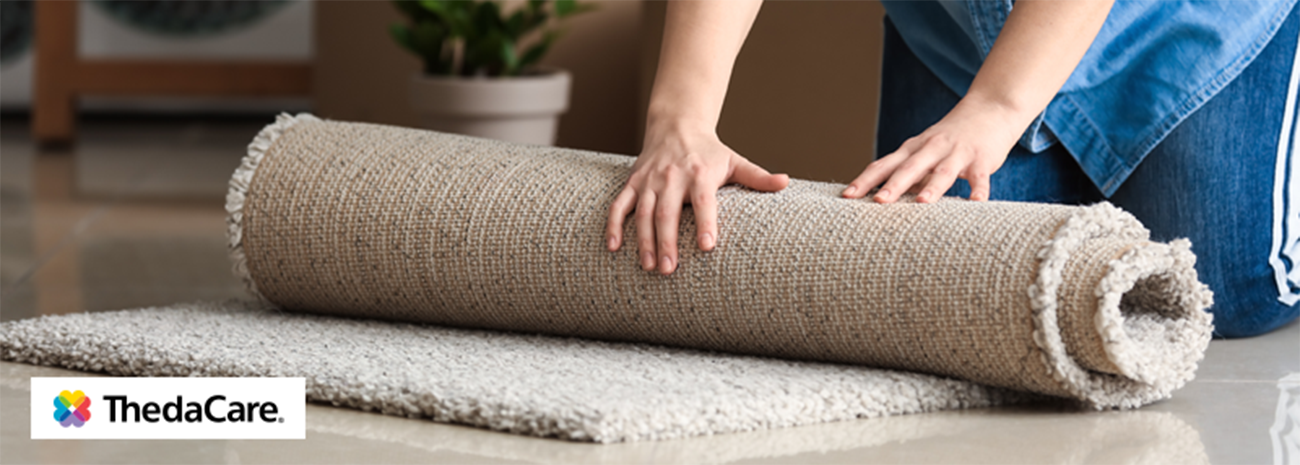
Autumn is a practical time to look around your home before shorter days, wet leaves, snow, and ice make everyday movement more difficult. A dim hallway, loose rug, slippery bathroom floor, or unsteady handrail may not seem urgent until your routine or mobility changes.
A fall home safety checklist can help you identify hazards before winter. Start by improving lighting, clearing walking paths, securing rugs and carpeting, checking bathroom supports, inspecting stairways, and preparing entrances for changing weather. These updates can reduce environmental fall risks, although they can’t prevent every fall.
At ThedaCare At Home Medical Equipment, we help individuals and families explore equipment that supports safer, more comfortable movement at home. Use this checklist to identify areas that may need attention, then contact our team if you have questions about bathroom safety equipment, stair lifts, mobility aids, or other home medical products.
Fall-to-Winter Home Safety Checklist
- Replace burned-out bulbs and add lighting to dim areas.
- Keep hallways, stairs, and frequently used paths clear.
- Remove loose rugs or secure them with nonslip backing.
- Check bathrooms for slippery surfaces and missing supports.
- Inspect stair treads, carpeting, lighting, and handrails.
- Clear wet leaves and debris from entrances and outdoor steps.
- Prepare nonslip mats and appropriate ice-control supplies for winter.
- Keep a phone or way to call for help within easy reach.
Quick Navigation
Improve Lighting as the Days Get Shorter
A familiar hallway can become harder to navigate when the lighting is dim or evening arrives earlier. Shoes, cords, furniture edges, and changes in flooring are also easier to miss when shadows cover part of the walking path.
Walk through your home during the evening and look for areas where you have difficulty seeing the floor clearly. Pay particular attention to:
- The route between the bedroom and bathroom
- Hallways and room entrances
- The top and bottom of stairways
- Entry doors and porches
- Areas where flooring changes
- Light switches that are difficult to reach
Replace burned-out bulbs, add lamps where overhead lighting is limited, and consider plug-in or motion-activated night lights along frequently used routes. Keep light switches accessible rather than blocked by furniture.
Safety Tip
Night lights between bedrooms and bathrooms can help improve visibility and reduce trips through dark rooms.
Clear Hallways and Frequently Used Walking Paths
Small items tend to gather in the same places, such as shoes near the door, a laundry basket in the hallway, a charging cord beside a chair, or a stack of mail near the stairs.
Take a slow walk through the routes you use most often. Check that:
- Shoes, baskets, pet items, and packages are out of the walking path.
- Electrical cords run along walls rather than across the floor.
- Furniture leaves enough room for comfortable movement.
- Doorways are wide enough for any cane, walker, or caregiver assistance being used.
- Frequently used items are within easy reach.
- Blankets, bedding, and clothing don't trail onto the floor.
Avoid carrying so much that you can't see the floor or use a handrail.
Reduce Slippery Surfaces and Difficult Movements in the Bathroom
Bathrooms combine water, smooth surfaces, and several movements that can become challenging, such as stepping over a tub wall, lowering onto a toilet, or standing while bathing.
Start with the floor. Clean up water promptly, keep frequently used supplies within reach, and use nonslip products designed for the surface.
Helpful bathroom safety equipment may include:
- Properly installed grab bars near the toilet, tub, or shower
- A shower chair or bath bench for seated bathing
- A transfer bench for moving across a tub edge
- A toilet seat riser or toilet safety frame
- Nonslip mats or strips made for wet surfaces
- A handheld showerhead that can be used while seated
A towel bar shouldn't be used as a grab bar. Any product intended to support body weight needs to be designed for that purpose and installed according to its instructions.
Browse Bathroom Safety Equipment
Related Reading
Check Loose Rugs, Carpets, and Flooring
A rug edge that curls upward or carpeting that has come loose near a doorway can catch a foot unexpectedly. Flooring transitions, worn carpet, and uneven surfaces deserve attention, too.
As you inspect your floors:
- Remove throw rugs that slide, curl, or bunch.
- Secure rugs that remain with an appropriate nonslip backing.
- Check carpet for loose edges, wrinkles, tears, or bubbles.
- Inspect transitions between rooms for raised or damaged strips.
- Keep smooth flooring dry
Inspect Stairs, Handrails, and Stairway Lighting
Stairs can become more difficult when pain, balance, strength, vision, or endurance changes. The staircase itself may also have hazards that are easy to miss during an ordinary day.
Check your indoor and outdoor stairs for:
- Loose, uneven, or damaged steps
- Items stored on the stairs
- Loose or torn carpeting
- Poor lighting or burned-out bulbs
- Missing, loose, or damaged handrails
- Limited visibility at the top and bottom
- Objects that block your view while carrying them
If the staircase remains difficult after basic hazards are addressed, a stair lift may be worth exploring. A stair lift reduces the need to physically climb each step, but it isn't automatically the right solution for every person or home.
At ThedaCare At Home, we offer Bruno stair lifts for straight and curved staircases. We'll assess your staircase, take the necessary measurements, help you compare suitable options, and handle installation.
Prepare Entrances for Fall and Winter Weather
Seasonal hazards often begin at the doorway. Wet leaves can make outdoor steps slick, earlier sunsets can reduce visibility, and tracked-in water can make indoor entryways slippery. Once winter arrives, snow and ice can add another challenge.
Before colder weather settles in:
- Clear leaves and debris from porches, steps, and walkways.
- Repair uneven or damaged outdoor steps.
- Check outdoor handrails for movement or damage.
- Make sure porch and entry lights work.
- Use nonslip mats that lie flat and don't slide.
- Keep indoor entryway floors dry.
- Store snow-removal and ice-control supplies where someone can reach them safely.
- Arrange for help with shoveling or ice removal if needed.
Seasonal Safety Tip
Avoid carrying packages or bags that block your view of steps, especially when leaves, snow, or ice may be present.
Know When Home Safety Equipment May Help
Quick Tip
Simple maintenance can address many environmental hazards, but equipment may help when mobility changes make everyday movement more difficult.
Consider what movement is creating the problem:
| Everyday Challenge | Equipment That May Be Worth Exploring |
|---|---|
| Standing in the shower feels tiring or unsteady | Shower chair or bath bench |
| Stepping over a tub wall is difficult | Transfer bench |
| Standing from the toilet requires extra effort | Toilet seat riser or toilet safety frame |
| You reach for a towel bar or counter for support | Properly installed grab bar |
| Climbing stairs causes pain, fatigue, or unsteadiness | Stair lift assessment |
| Walking through the home feels less steady | Properly selected cane, walker, or rollator |
| Standing from a low chair is difficult | Firm supportive seating or a properly fitted lift chair |
The appropriate product depends on the person, movement, room dimensions, and equipment compatibility. Product guidance can help you compare options, while sudden or worsening changes in balance, strength, breathing, or mobility should be discussed with a health care provider.
Browse ThedaCare At Home's Medical Equipment Catalog
Find Home Safety Support From ThedaCare At Home
You don't have to update every part of the home at once. Begin with the routes and rooms you use most often, especially the path between the bedroom and bathroom, the main entrance, and any staircase used during the day.
At ThedaCare At Home Medical Equipment, we can help you explore products that address specific mobility and home-safety concerns. We'll answer your questions, help you compare available equipment, and explain factors such as sizing, compatibility, and installation.
Need Help Improving Home Safety?
Our team can help you find practical solutions that support safer, more comfortable movement throughout your home.
Printable Resource
Common Questions About Fall Prevention and Home Safety
Why is fall prevention important for older adults?
Falls can lead to injury and changes in mobility or independence. Home updates can reduce environmental hazards, while personal concerns involving balance, vision, strength, medications, or mobility may require guidance from a health care provider.
What are the most common causes of falls in the home?
Common hazards include dim lighting, cluttered paths, loose rugs, electrical cords, wet floors, uneven surfaces, damaged steps, and missing or loose handrails. Bathrooms, stairways, bedrooms, entrances, and the route between the bed and bathroom deserve particular attention.
Can home modifications prevent every fall?
No. Home modifications can reduce certain environmental hazards, but they can’t eliminate every fall. Health, balance, vision, medication effects, strength, footwear, and other factors can also affect fall risk.
Who should use a fall home safety checklist?
A checklist can be helpful for someone experiencing mobility changes, recovering from an illness or procedure, planning to age in place, or helping a family member evaluate their home. It can also be useful before seasonal weather changes make entrances and walkways more difficult.
What should I check before winter?
Check indoor and outdoor lighting, entryways, walkways, outdoor steps, handrails, mats, and frequently used paths. Clear wet leaves and debris, prepare for snow and ice removal, and make sure winter supplies are stored where they can be reached safely.
When should I consider a professional home safety assessment?
Consider additional help if you’ve had a fall or near-fall, feel unsteady in certain rooms, avoid part of the home, need more assistance with daily movement, or aren’t sure which equipment fits the person and space.
Keep Exploring Home Safety Resources
Want to keep making your home safer? These resources can help you take the next step.
Age In Place Home Safety Safety
September 1, 2026 by ThedaCare At Home